
HereWeGo
April 2, 2026 • 4 min read
For thousands of years, Brazil's indigenous people have crafted alcoholic beverages from cassava. These drinks, similar to beer, go by various names such as cauim, caxiri, and tarubá. The fermentation process is crucial for processing cassava, as the raw tuber contains chemicals that can convert to
The Journey Behind Tiquira
For thousands of years, Brazil's indigenous people have crafted alcoholic beverages from cassava. These drinks, similar to beer, go by various names such as cauim, caxiri, and tarubá. The fermentation process is crucial for processing cassava, as the raw tuber contains chemicals that can convert to cyanide in the human body. Indigenous communities discovered that a little bit of human saliva and some natural yeasts could eliminate these toxins and enhance the nutritional value of cassava.
The Birth of Tiquira
With the advent of distillation technology in the Munim River area (now part of Maranhão), locals began distilling the alcoholic beverages made from cassava that they had long used. This marked the birth of Tiquira. The name "tiquira" is thought to originate from the Tupi word "tykyre," meaning "to drip." Interestingly, this unique spirit thrives only in one Brazilian state: Maranhão.
The Life of Tiquira
Margot Stinglwagner, the founder of Guaaja Tiquira—the first modern brand to produce this spirit since 2016—shared, “This is a type of alcohol that very few people know about in Brazil. Only a handful have heard of tiquira, and usually, it’s just those who have visited Maranhão once.” In September 2023, Maranhão officially recognized tiquira as an intangible cultural heritage.
Challenges in Production
One reason tiquira remains relatively niche is that cachaça, Brazil's rum, is much easier to produce. Since cachaça is made from sugarcane, sugar is readily available for fermentation. “With cassava, you don't have sugar,” Stinglwagner explains. “You first have to convert the carbohydrates into sugar before you can ferment and distill.” To achieve this, Guaaja Tiquira utilizes food enzymes instead of traditional human saliva.
How Tiquira is Made
Distinguishing themselves from other producers, Guaaja uses whole cassava, while most underground tiquira makers rely on cassava flour (farinha de mandioca). “Most people produce it illegally,” Stinglwagner chuckles. “The state doesn’t do anything about it.” Particularly outside urban areas, tiquira is almost entirely handcrafted.
✈️ Tìm chuyến bay giá tốt
Đặt vé ngay với giá ưu đãi từ các hãng hàng không
Traditional Customs
Tiquira makers often do not separate the "head" (the first drops from the distillation process, containing harmful alcohols like methanol) from the "tail" (the final product with lower alcohol content and often an undesirable bitter taste). This means the spirit tends to be stronger and may contain more toxins and impurities. Some people even mix cannabis into the drink to create an illegal concoction known as "tiquiconha."
Beliefs Surrounding Tiquira
The people of Maranhão believe that one should not get wet or bathe after drinking tiquira, or they risk fainting or feeling dizzy. Zelinda Machado de Castro e Lima, one of Maranhão’s prominent folk culture chroniclers, recorded several customs surrounding this spirit. One tradition involves piercing a cashew nut with a toothpick and soaking it in a glass of tiquira for several hours, after which it is sucked on like an alcoholic candy.
Faith and Tradition
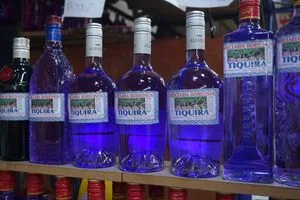
She also wrote about the belief that coffee drinkers should steer clear of tiquira, while locals claim that fishermen along the coast have used this spirit to disinfect wounds during work. Lastly, there’s an intriguing question about the color of tiquira. In tourist markets in São Luís, this drink is always seen in a vibrant purple hue. “They say the color comes from tangerine leaves, but we tried to make it, and the color from the leaves is unstable,” Stinglwagner notes. “It’s also not a strong color. Regulations and laws regarding tiquira prohibit adding leaves.”
Tiquira Today
The purple color might be artificial (possibly from food coloring), but some varieties of tiquira genuinely have a tangy flavor. Today, tiquira is still primarily associated with the world of illegal distillation, but with government recognition of this spirit and new legal projects like Guaaja Tiquira, Brazil may soon see more of this cassava drink beyond its homeland of Maranhão. “People often ask me, ‘What’s this new spirit?’” Stinglwagner shares. “I tell them, ‘This isn’t a new spirit; it’s the oldest spirit of Brazil.’”
Where to Buy Tiquira
Tiquira is widely available at central markets in São Luís, Maranhão. Both Mercado Central and Mercado das Tulhas feature numerous vendors selling tiquira. The commercial brand Guaaja Tiquira is also available in São Luís at Empório Fribal, as well as in hotels like Copacabana Palace and Fairmont Hotel in Rio de Janeiro, and Mocotó Bar e Restaurante in São Paulo.
HereWeGo
HereWeGo is a leading online flight booking platform in Vietnam, providing accurate and up-to-date travel information. We are committed to delivering wonderful travel experiences with the best prices on the market.