
HereWeGo
March 28, 2026 • 3 min read
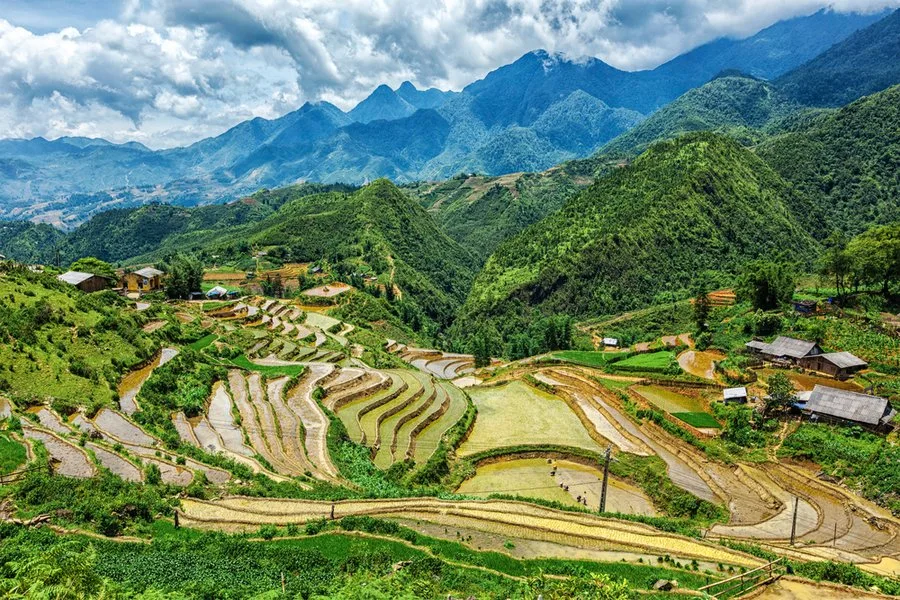
When people think of Sapa, they often envision lush green terraced rice fields and majestic mountain landscapes. However, what truly makes trekking in Sapa special are the ethnic minority villages scattered throughout the valleys. Each village boasts its own unique landscape, cultural heritage, and
```html
Wandering Through the Hidden Villages of Sapa
When people think of Sapa, they often envision lush green terraced rice fields and majestic mountain landscapes. However, what truly makes trekking in Sapa special are the ethnic minority villages scattered throughout the valleys. Each village boasts its own unique landscape, cultural heritage, and varying levels of trail difficulty.
Where Are the Villages Located?
Most of the villages are situated in the Muong Hoa Valley, just 8 to 15 kilometers from Sapa town center. Here, you can discover rice paddies, hanging bridges, streams, and charming villages. Some of the most notable villages include:
- Cat Cat Village
- Y Linh Ho
- Lao Chai
- Tả Van
- Giang Ta Chai
- Ban Ho
- Ta Phin
- Nam Cang
- Thanh Phu
The trekking routes frequently pass through multiple villages, so you won’t just visit one location.
Cat Cat Village – The Closest to Sapa
Located just 2 to 3 kilometers from Sapa town, Cat Cat is the most accessible destination. Here, you'll find a H'Mong village, a waterfall, and remnants of an old French hydroelectric plant, alongside traditional houses and local craft shops. The walking path is well-paved, making it suitable for a short day trip. If you’re pressed for time, you can easily spend half a day exploring this village.
✈️ Tìm chuyến bay giá tốt
Đặt vé ngay với giá ưu đãi từ các hãng hàng không
Y Linh Ho – Gateway to Muong Hoa Valley
Y Linh Ho is often the first stop when descending into Muong Hoa Valley. The path from Sapa to here is downhill, allowing you to fully appreciate the valley and terraced rice fields along the way. This location is less crowded than Cat Cat, and trekking here offers a closer connection to nature.
Lao Chai Village – Terraces and Vast Valleys
Lao Chai is one of the largest villages in Muong Hoa Valley, renowned for its expansive terraced rice fields. As you trek through, you’ll meander along paths between the rice paddies, passing by local homes and quaint shops.
Ta Van Village – Homestay Experience
Ta Van is a popular stop for travelers looking to experience an overnight homestay. Nestled at the bottom of the valley, Ta Van is home to a mix of the Giay, H'Mong, and Dao ethnic groups. The access road is car-friendly, making it convenient for first-time visitors to Sapa.
Giang Ta Chai Village – Waterfalls and Forest Trails
Giang Ta Chai is often visited on the second day of trekking from Ta Van. Here, you’ll encounter bamboo forests, streams, and a small waterfall. The trekking paths here are diverse, featuring both uphill and downhill sections, perfect for those seeking a challenge.
How to Choose the Right Village?
Choosing a village depends on your available time, fitness level, and whether you want to stay overnight in a homestay. For first-time visitors to Sapa, a two-day trek through Lao Chai, Ta Van, and Giang Ta Chai with one night in a homestay is the most balanced option.
Some Useful Tips
Always wear good trekking shoes, as the trails can be slippery after rain. Additionally, bring some small change for drinks or handicrafts. Remember to ask before taking photos of local people, and don’t expect luxury during your homestay. Having a local guide can be very helpful to gain a deeper understanding of the local culture.
Trekking through the villages in Sapa adds an exciting dimension to your exploration of Northern Vietnam, including Hanoi and Ha Long Bay.
```HereWeGo
HereWeGo is a leading online flight booking platform in Vietnam, providing accurate and up-to-date travel information. We are committed to delivering wonderful travel experiences with the best prices on the market.