
HereWeGo
June 11, 2026 • 5 min read
Discover Malacca, a captivating city that serves as a unique cultural crossroads in Malaysia, offering intriguing destinations and activities for travelers.
Introduction to Malacca
Malacca, known as Melaka in Malay, is a city rich in history and culture, distinct from other cities in Malaysia. Like an onion, each layer of Malacca represents a different era and cultural influence. Once a vital trading hub, it has been shaped by various empires, each leaving its mark. This has created a vibrant cultural tapestry, featuring highlights such as the striking red Dutch Square, remnants of Portuguese forts, and intricately decorated Chinese shop houses.
But Malacca is not just about history; it also boasts a wonderfully relaxed atmosphere. Nestled along a winding river with a picturesque historical center, the city is perfect for exploring on foot. I still remember my first visit; we arrived at night, and the narrow streets leading to our accommodation were illuminated by charming little lanterns. After dropping off our luggage, we strolled along the riverside, surrounded by vibrant energy: people enjoying dinner, locals engaged in lively conversations, and children playing by the road.
What to Know About Malacca
To truly appreciate Malacca's significance, you first need to look at a map. The Malacca Strait is a narrow channel between Malaysia and Sumatra, serving as the shortest and safest maritime route connecting China to India. Today, it remains a key shipping route linking East Asia with the Indian Ocean and the West, seeing more maritime traffic than both the Suez and Panama Canals.
Malacca emerged as an important trading center in the 15th century, attracting sailors from China, India, Arabia, and Europe. During its golden age, Malacca became a melting pot of cultures. The city thrived under a prince from Sumatra who allied with China and converted to Islam, turning Malacca into a bustling trade crossroads for Arab and Asian merchants.
This was followed by colonial rulers, starting with the Portuguese in 1511, then the Dutch in 1641, and finally the British in 1824. While the Europeans came and went, Chinese settlers formed communities and married local women, creating the unique Peranakan culture that still flourishes in Malacca's Chinatown today.
When to Visit Malacca?
I recommend staying in Malacca for about two nights. The evenings are the best time to soak in the city's atmosphere, but one or two days is sufficient for sightseeing. If you want to experience the vibrant Jonker Street Night Market, plan to stay at least one weekend night, as the market operates on Friday, Saturday, and Sunday evenings. Keep in mind that Malacca is a popular weekend destination for Malaysians and Singaporeans, so it can get crowded and accommodation prices may rise during these times.
If you’re short on time, you can take a day tour from Kuala Lumpur, but you’ll miss out on the enchanting evening riverside ambiance.
✈️ Tìm chuyến bay giá tốt
Đặt vé ngay với giá ưu đãi từ các hãng hàng không
Where to Stay in Malacca
For easy exploration of the city, it’s best to find accommodation near the historical center. Here are some suggestions:
- Sleep Here (budget hostel): A modern and clean hostel just a short walk from the river and about a 10-minute stroll to Dutch Square.
- JonkeRED Heritage (budget hotel): Located right in the heart of Dutch Square, perfect for those looking to engage in tourist activities.
- Baba House (boutique hotel): Set in a beautifully restored heritage building, this hotel perfectly blends the classic charm of Peranakan culture with modern amenities.
- Rimba Jonker Villa (Airbnb): A beautiful heritage home with a private pool, right in the heart of Chinatown.
- LEJU 79 (traditional guesthouse): An affordable option located in the old town, suitable for longer stays with amenities like a washing machine and iron.
Must-Do Activities in Malacca
1. Visit Dutch Square: One of Malacca's most famous landmarks, often referred to as the Red Square. Contrary to its name, the buildings here were originally painted white by the Dutch. It wasn’t until the 20th century, under British rule, that they were repainted red. The square is always bustling with colorful rickshaw rides and lively pop music, creating a cheerful atmosphere.
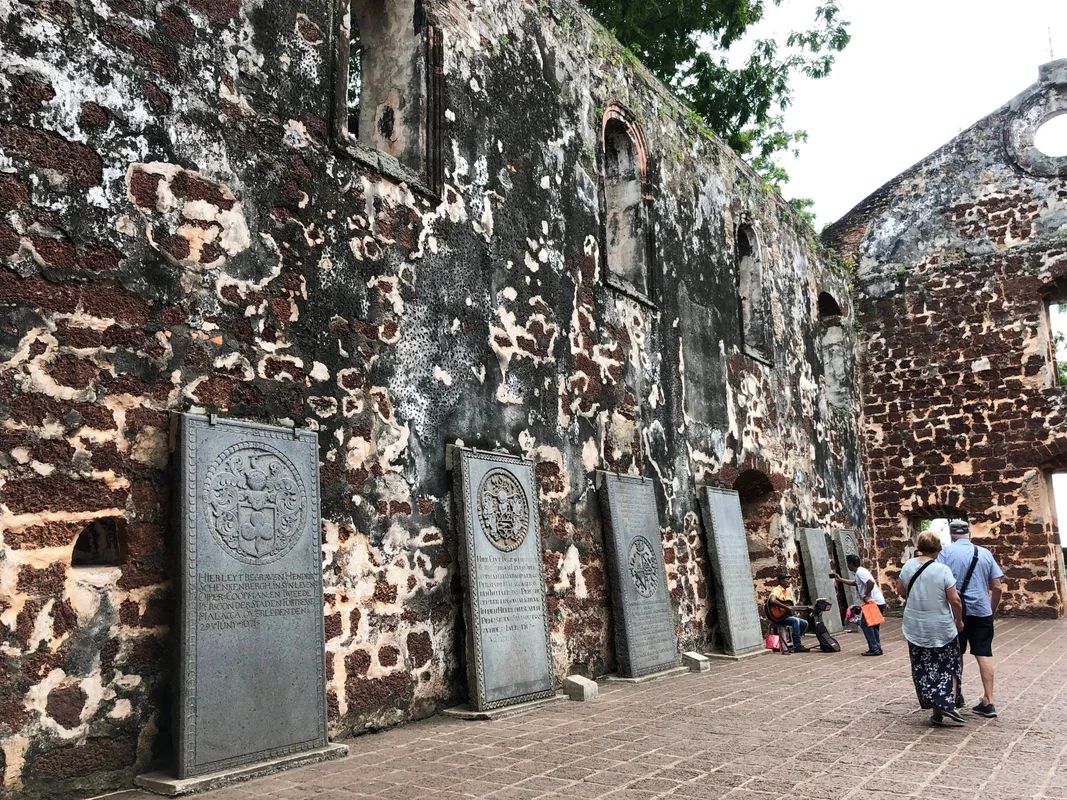
2. Explore St. Paul’s Hill: Located just behind Dutch Square, St. Paul’s Hill offers panoramic views of the city and the sea. To reach the top, simply climb the stairs from Jalan Mahkamah. Here, you’ll find the ruins of St. Paul’s Church, one of the oldest structures in the city.
3. Join a Free Walking Tour: If you want to delve deeper into Malacca's history, join a free walking tour where a local guide will share fascinating stories at key attractions.
Useful Information for Vietnamese Travelers
When visiting Malacca, you don’t need a visa if your stay is under 30 days. From Hanoi or Ho Chi Minh City, you can fly directly to Kuala Lumpur, and then take a bus or train to Malacca, which takes about two hours.
The cost of living in Malacca is quite reasonable. A meal here typically ranges from 80,000 to 150,000 VND, while hotel prices can vary from 300,000 to 1 million VND depending on location and type. You should also consider the timing of your visit; mid-week is ideal to avoid crowds and enjoy a more tranquil experience in this charming city.
Wishing you an enjoyable and fulfilling trip to Malacca! Get ready to explore the rich cultural beauty that awaits you here.
Article adapted from: Indie Traveller
HereWeGo
HereWeGo is a leading online flight booking platform in Vietnam, providing accurate and up-to-date travel information. We are committed to delivering wonderful travel experiences with the best prices on the market.