
HereWeGo
May 27, 2026 • 3 min read
Explore the vibrant football culture of Cape Verde through the story of Santa Maria Beach, where football is not just a sport but an integral part of daily life.
Football and the Sea: The Cultural Foundation of Cape Verde
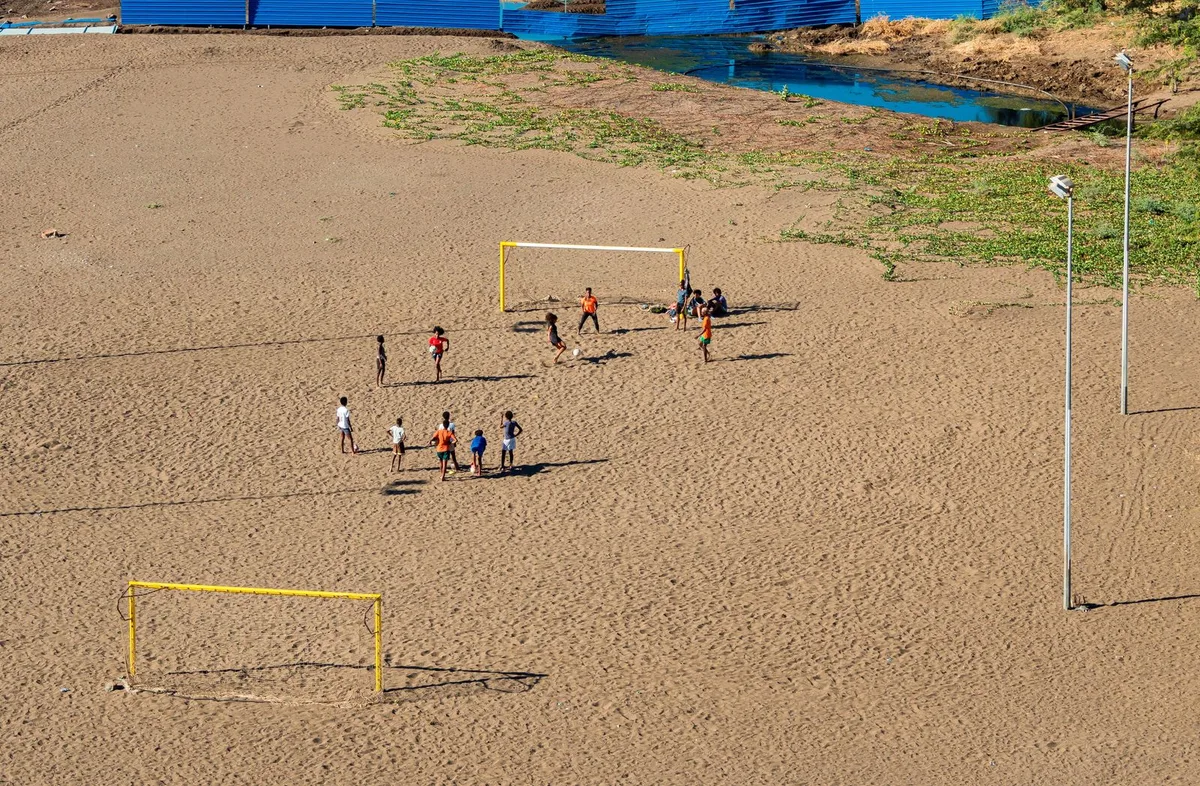
On cool afternoons at Santa Maria Beach in Cape Verde, the sounds of laughter and football fill the air. Leonardo Lopez and his friends often gather here to play, choosing a flat stretch of white sand and marking the goals with black volcanic stones, creating a natural playground by the sea.
Fishing boats drift lazily along the shimmering horizon, while young people jump off the pier into the crystal-clear water, and the aroma of grilled food wafts through the air. Locals, primarily those working in nearby hotels, restaurants, and bars, frequently join in the matches, sometimes along with tourists who partake in these fun games.
The Passion for Football
Lopez, a 25-year-old receptionist, shares, "On this beach, you’ll see people playing football everywhere." Cape Verde, an island about 800 km off the West African coast, never sees nightfall before 6 PM. “We enjoy the sunset and play until we can no longer see the ball.”
Sidny Lopes-Cabral, 23, insists that beach football is the freest form of the sport. Born in the Netherlands to a Cape Verdean family, he spends his annual holidays on Santiago Island, honing his skills on Tarrafal Beach.
Cape Verde and the World Cup Participation
When Lopes-Cabral competes in the 2026 World Cup, it will mark Cape Verde’s debut in this prestigious tournament. They will face Spain, one of the top contenders for the championship. This will be an opportunity for Cape Verde to showcase their talent and their rich football culture.
✈️ Tìm chuyến bay giá tốt
Đặt vé ngay với giá ưu đãi từ các hãng hàng không
The Geography and History of Cape Verde
The people of Cape Verde primarily speak Kriol, but Portuguese is taught in schools, a remnant of colonial heritage dating back to 1462. On Santiago Island, where Portuguese traders established the first tropical settlement, lies Cidade Velha, a UNESCO World Heritage site with ancient churches and cobblestone streets that remind us of the history of the slave trade.
Natural Landscapes and Sports
Cape Verde boasts over 600 miles of coastline, where locals not only play football but also engage in other sports like volleyball and running. Soraya Da Silva, 34, who works at a beachfront hotel, states, “We enjoy delicious food and drink beer during family and friends' gatherings.”
Useful Information for Vietnamese Travelers
Vietnamese travelers wishing to visit Cape Verde should note that a visa is required. You can apply for a visa at the Portuguese Embassy in Vietnam, as Cape Verde has close ties with Portugal. Flight tickets from Ho Chi Minh City or Hanoi to Cape Verde typically range from 15 to 25 million VND, depending on the booking time and layovers.
The ideal time to visit Cape Verde is from November to June, when the weather is cool and dry, perfect for outdoor activities. Don’t forget to try local dishes like cachaça and fruit wine.
Conclusion
Traveling to Cape Verde not only takes you to stunning beaches but also offers a journey to explore a culture rich in football heritage. The locals live and breathe football, turning small matches on the beach into unforgettable moments. Visit Cape Verde to fully experience this passion!
Article adapted from: Condé Nast Traveler
HereWeGo
HereWeGo is a leading online flight booking platform in Vietnam, providing accurate and up-to-date travel information. We are committed to delivering wonderful travel experiences with the best prices on the market.