
HereWeGo
April 4, 2026 • 4 min read
Recently, several hotels participated in a United Nations event for International No Waste Day, launching the "Recipe for Change" initiative aimed at measuring food waste, setting reduction goals, and reporting progress annually. Meanwhile, Hilton is gradually scaling back its breakfast buffet offer
A New Trend in Hotels
Recently, several hotels participated in a United Nations event for International No Waste Day, launching the "Recipe for Change" initiative aimed at measuring food waste, setting reduction goals, and reporting progress annually. Meanwhile, Hilton is gradually scaling back its breakfast buffet offerings.
What’s intriguing about this move is the long-standing effort to bring hotel food into the climate conversation, alongside energy and water usage. According to the World Sustainable Hotel Alliance, hotels account for about 1% of emissions from food production and 3% of food waste.
A Food Revolution in the Hospitality Industry
This initiative is also part of the "Food Waste Breakthrough" program at the COP30 climate conference, which the U.S. has boycotted. Participating hotels have committed to serving smaller portions, increasing direct cooking, providing more frequent food replenishment, and measuring waste more rigorously.
Hilton has implemented the "Green Ramadan" program across 45 hotels in 14 countries, reporting a 26% reduction in food waste on customer plates last year by using smaller portions and replacing buffets with à la carte service. A pilot program called "Green Breakfast" at 13 hotels in the UAE demonstrated a staggering 62% reduction in food waste.
Why Buffets Need to Change
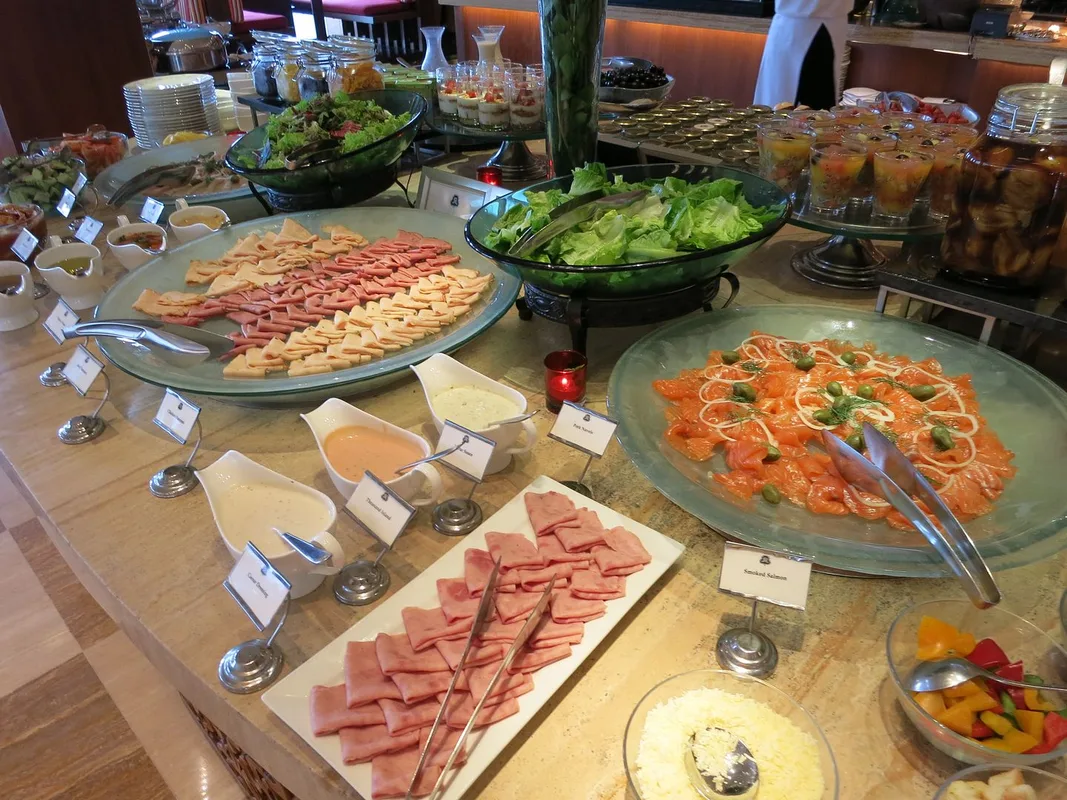
While buffets have always been an attractive dining option, they also lead to significant waste. Dishes are often presented in abundance to create a sense of variety, but in reality, not everything gets consumed. It’s common for guests to take more than they can eat.
Hilton has deployed an AI-powered food waste prevention tool called Winnow in nearly 200 hotels. Buffets are favored by hotels for their lower labor costs and faster service, allowing for quicker table turnover and accommodating more diners. Labor costs account for about 60% of a hotel's food and beverage operating expenses.
✈️ Tìm chuyến bay giá tốt
Đặt vé ngay với giá ưu đãi từ các hãng hàng không
A New Business Strategy
This is why buffets have become popular, while fast service options that require fewer staff are gradually replacing traditional à la carte meals. In fact, IHG's Holiday Inn switched to serving only buffets last December. However, poorly managed buffets can lead to costly food waste.
Many hotels believe they can cut costs associated with buffets by reducing the number of dishes offered, thus lowering food expenses and waste since guests will take less. They can justify this by claiming consumers prefer efficiency (not wanting to wait) and healthier options (reducing fatty meat consumption).
How Will Hotels Adapt?
Some segments may completely eliminate buffets, opting instead for quick-service grab-and-go models rather than returning to traditional menus. Budget buffets may diminish or disappear, while upscale buffets will still exist but will be optimized through AI.
Hilton stands to benefit from this effort not only by saving on food but also by showcasing social responsibility, helping the company achieve its ESG goals through the events it hosts. Although this may seem a bit outdated in the U.S., Hilton is a global company.
We can expect to see smaller plates at buffets. I’ve previously written about American Airlines using small plates in their lounges to encourage passengers to take less food, but ultimately the plates were too small for the portions served, leading to a messy situation.
Final Thoughts
Ultimately, this shift is presented as a way to improve profits for owners, as a step forward in ESG for organizations, and as a better experience for customers—much like how they tell you that not changing towels, skipping room cleaning, or not flushing is good for the environment. However, we may still see high-end resorts retain buffets, while selective service will maintain breakfast bars and grab-and-go options. The most significant changes are likely to occur in mid-range, full-service, conference-style hotels, where buffets have never been particularly appealing enough to justify higher prices.
So, your buffet is about to be sacrificed on the altar of ESG, and that’s perfectly fine. Demonstrating social responsibility with smaller plates and more "mindful" choices at better hotels may not be entirely satisfying, but it’s a step in the right direction.
HereWeGo
HereWeGo is a leading online flight booking platform in Vietnam, providing accurate and up-to-date travel information. We are committed to delivering wonderful travel experiences with the best prices on the market.