
HereWeGo
April 9, 2026 • 3 min read
The airline industry is attributing increased baggage fees to soaring fuel prices, but is this the whole truth?
Why Are Baggage Fees Rising?
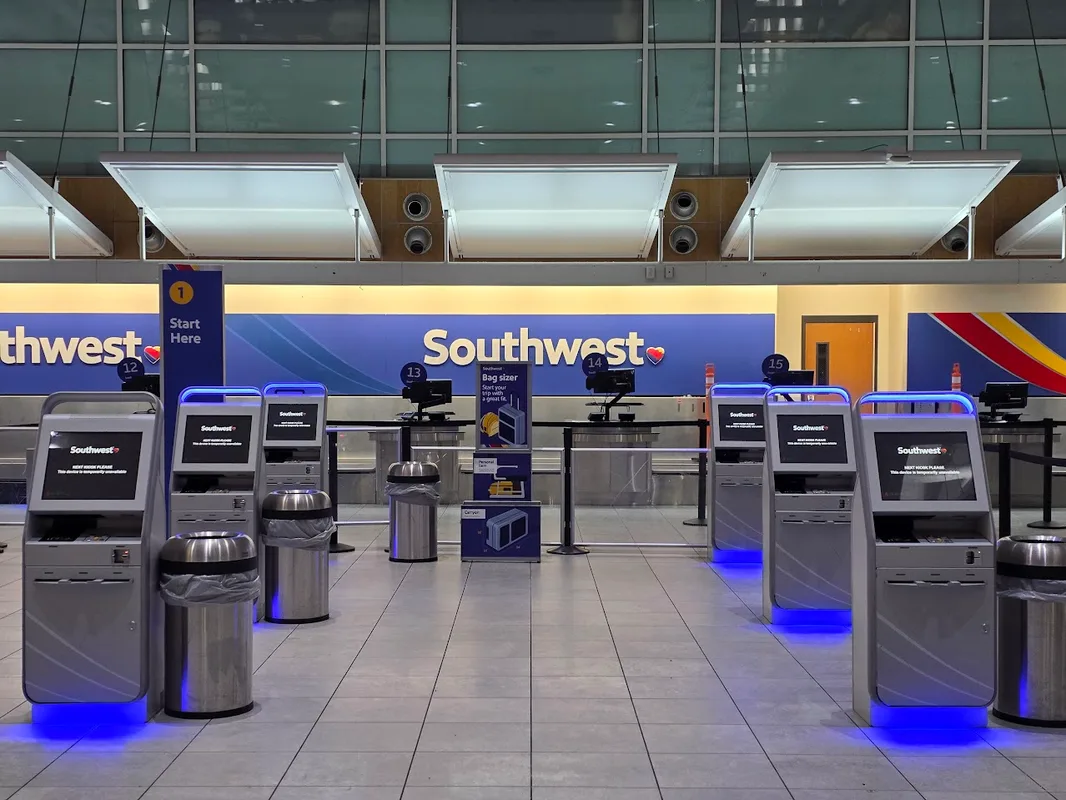
Recently, major players in the airline industry, such as JetBlue, United, Delta, and Southwest, have pointed to high jet fuel prices as the reason for raising checked baggage fees. While this may seem convincing, the reality is more complicated. They are simply using this excuse to make their price hikes appear justified.
Strange Times in the Airline Industry
To be honest, even the CEO of Delta isn't promising that ticket prices will drop if fuel prices decrease. He merely stated that lower fuel costs would boost profits this year and next. This indicates a significant misunderstanding of how airline ticket pricing works in today's market.
Airlines and Profit Margins
Many people think airlines are raking in huge profits from passenger flights, but that’s not entirely true. Most of their profits actually come from selling miles to banks, meaning revenue from passengers is barely enough to cover operating costs.
Financial Data from Airlines
For example, American Airlines projected revenues of $54.6 billion for 2025, but the profit margin from flying was only 0.8%. In fact, when including marketing services, the actual profit could dip to -3.4%. Yet, the public still believes airlines are getting rich off passengers.
Delta and United Are No Better Off
Delta Air Lines reported income from American Express of $8.2 billion within a total revenue of $63.36 billion, with an operating margin of 4.8%. United's financial figures are a bit murkier, but they also report profit margins in the range of 0.7% to 1.2%.
✈️ Tìm chuyến bay giá tốt
Đặt vé ngay với giá ưu đãi từ các hãng hàng không
Airlines Lower Prices to Increase Revenue
Since the cost of adding an additional passenger is nearly negligible, if one airline raises its prices significantly, others must compete by lowering theirs to attract customers. The result is that they can actually earn more. They may add extra fees for direct flights in markets where they dominate, but drop prices in more competitive markets.
Costs and Pricing
Ultimately, airfare is determined by supply and demand, not production costs. When fuel prices spike, airlines often reduce the number of flights they operate to minimize losses, leading to higher ticket prices.
Baggage Fees Explained
Baggage fees are a way to increase ticket prices without incurring taxes. Domestic airline tickets are subject to a 7.5% value-added tax, but optional fees are not. Consequently, airlines collected about $7.3 billion from baggage fees in 2024, saving them around $435 million in taxes.
Should Baggage Fees Be Eliminated?
If you dislike baggage fees, it’s important to understand that the government encourages airlines to implement these charges. Airlines use these fees to incentivize customers to use their credit cards, thereby generating profits for themselves.
Is This Fair?
We can’t help but question the fairness of increasing these fees. Airlines have no plans to reduce baggage fees, yet they always promise to adjust total flight costs based on fluctuating expenses and demand. It's difficult to achieve a fair perspective in this context.
Conclusion
The airline industry is currently facing numerous challenges in balancing profitability with customer service. It seems that everything revolves around maximizing profits, often at the expense of passenger experience.
HereWeGo
HereWeGo is a leading online flight booking platform in Vietnam, providing accurate and up-to-date travel information. We are committed to delivering wonderful travel experiences with the best prices on the market.