
HereWeGo
April 7, 2026 • 3 min read
Gimbap is not sushi! Join us as we explore the journey of this beloved dish gaining popularity in the heart of New York.
Gimbap – A Seaweed Roll Finding Its Place
Recently, Korean cuisine has surged in popularity across the United States, and gimbap is on the brink of becoming a household name — and, of course, it’s not sushi.
Jihan Lee’s Gimbap
With the opening of TBD Gimbap in New York City, chef Jihan Lee takes his first step towards introducing gimbap to the American culinary scene. Drawing inspiration from his mother’s gimbap, Lee aims to shine a light on this dish. Despite his experience at the renowned sushi restaurant Masa, gimbap has not been his primary focus until now.
The Right Moment
As Nami Nori — a sushi restaurant — successfully expanded from New York to Florida, New Jersey, and Virginia, Lee felt it was the perfect time to experiment with gimbap. “I want to do everything the right way,” Lee shares. This past March, TBD Gimbap opened its doors in Manhattan, featuring a menu primarily centered around gimbap, served without the need for soy sauce.
Special Dishes
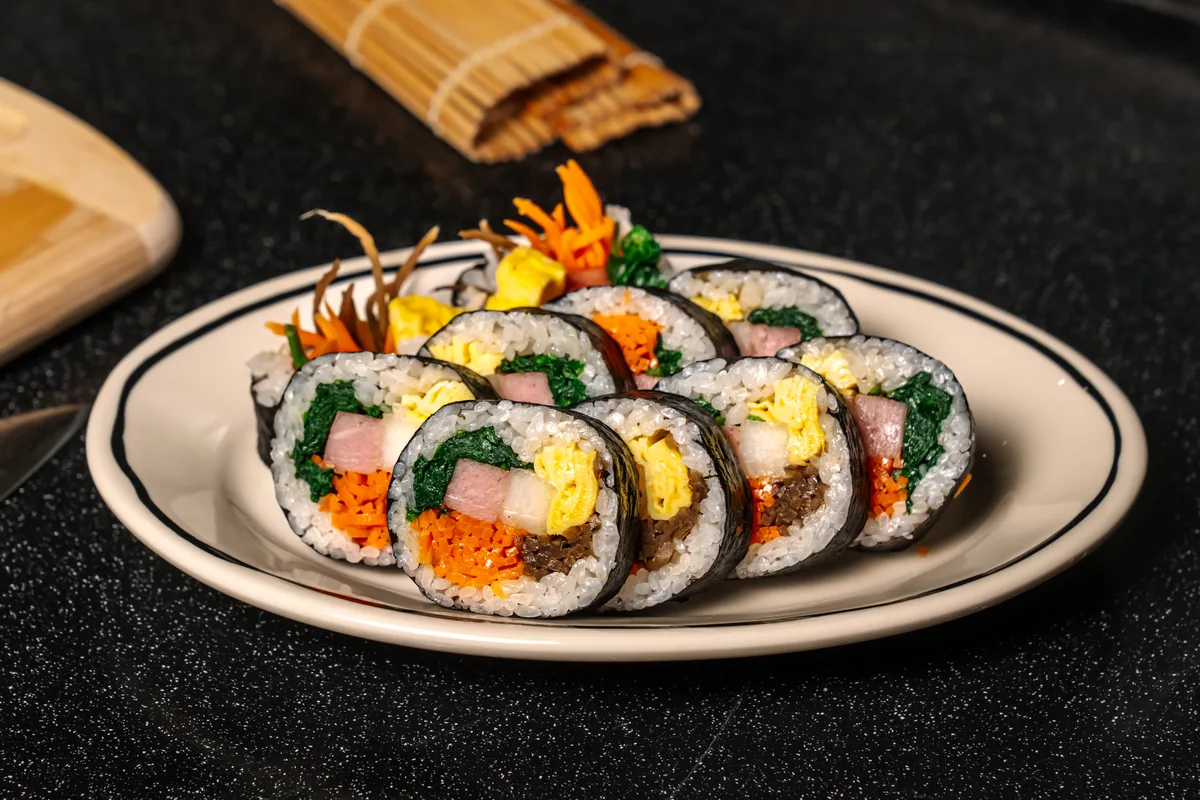
The gimbap rolls at TBD not only include familiar ingredients like bulgogi and spicy carrots but also a variety of enticing twists. Lee hopes to introduce new preparation methods, emphasizing the versatility of gimbap and exploring creative ideas he’s learned from Japanese cuisine.
Gimbap – A Connection Between Korea and Japan
While gimbap is often referred to as “Korean sushi” due to its shape and presentation, the reality is far different. Gimbap is more than just rice wrapped in seaweed; it’s a harmonious blend of diverse ingredients, from meats and vegetables to spices, creating a dish that is much richer than sushi.
✈️ Tìm chuyến bay giá tốt
Đặt vé ngay với giá ưu đãi từ các hãng hàng không
Making Inroads into the American Market
Gimbap is not limited to Lee’s restaurant. Kimbap Lab, another gimbap-focused eatery, has been a staple in NYC since 2014. In early March of this year, Kim’s Kimbap opened, marking the first U.S. branch of a chain that has been thriving in Korea since 1992.
Gimbap in a Changing World
With the growing influence of Korean culture, many are beginning to recognize the differences between gimbap and sushi. John Kim, owner of Kim’s Kimbap, states: “K-food has gained more recognition than before. People can distinguish between gimbap and sushi.”
A Prediction from Trader Joe’s
Even frozen gimbap is gaining traction at Trader Joe’s — a hot item that flies off the shelves thanks to its popularity on TikTok. Many are starting to discover and support this dish, evident in its prominence in food aisles.
Gimbap as a Childhood Memory
According to chef Jihee Kim in Los Angeles, gimbap evokes strong emotions as it resonates with the childhood memories of many. For her, gimbap is not just a dish but a reminder of family picnics.
The Complicated Comparison Between Korea and Japan
Comparing gimbap and sushi can sometimes spark unnecessary debates, especially given the historical context between Japan and Korea. Cultural writer Giaae Kwon has discussed this, arguing that gimbap deserves to be recognized on its own, separate from sushi.
Innovative Gimbap at Kawi
NYC’s Kawi restaurant previously helped reshape perceptions of gimbap, offering creative versions like gimbap with foie gras or short rib. Although Kawi has since closed, chefs continue to bring fresh experiences with gimbap, proving that this dish serves as a foundation for limitless creativity.
Gimbap at Super Peach
At Super Peach in Los Angeles, gimbap has become the best-selling item on the menu, showcasing the dish’s strong appeal. Chef Nick Picciotto shares: “We’ve been eager to bring gimbap back.” This effort goes beyond just serving a dish; it’s about providing diverse culinary experiences for diners.
HereWeGo
HereWeGo is a leading online flight booking platform in Vietnam, providing accurate and up-to-date travel information. We are committed to delivering wonderful travel experiences with the best prices on the market.