
HereWeGo
April 4, 2026 • 3 min read
This spring, if you're flying within the United States, you've probably noticed that airfare prices are on the rise. It's not just the ticket prices that are increasing; associated costs are also climbing, particularly with two of the major airlines in the country.
Soaring Airfare Prices
This spring, if you're flying within the United States, you've probably noticed that airfare prices are on the rise. It's not just the ticket prices that are increasing; associated costs are also climbing, particularly with two of the major airlines in the country.
Airlines Increasing Baggage Fees
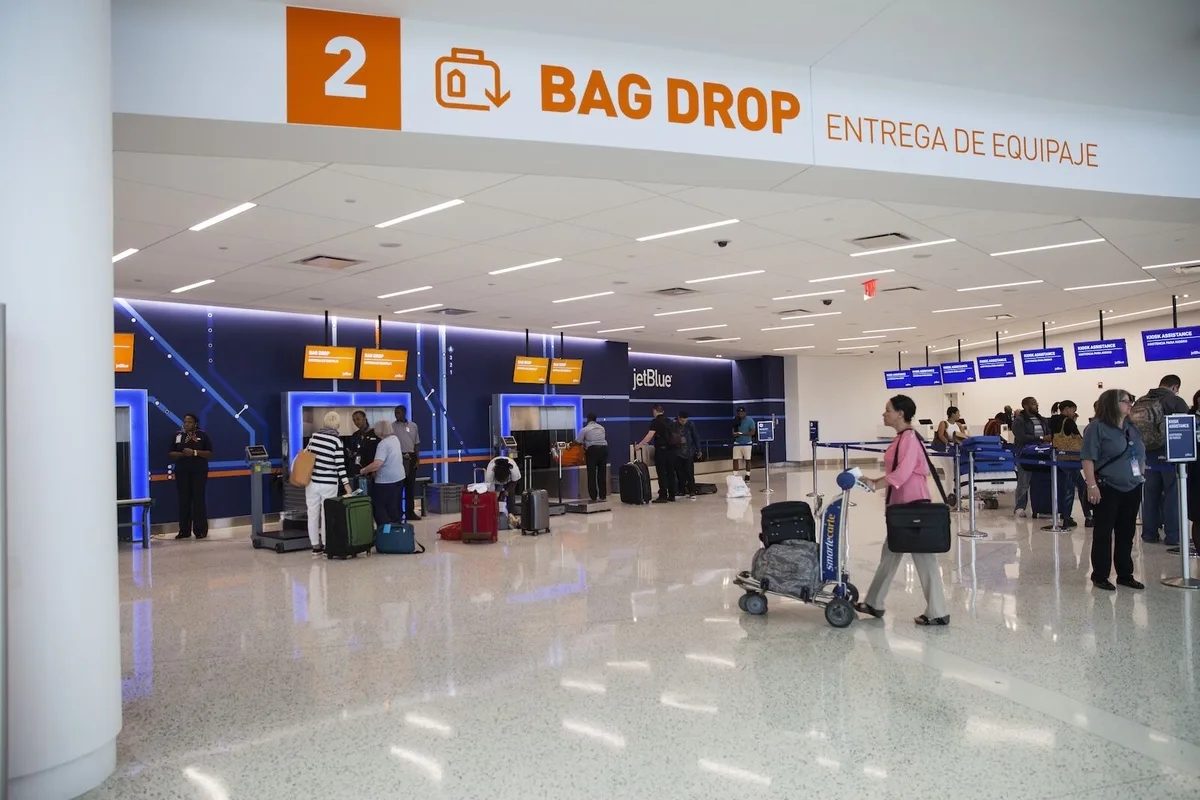
JetBlue was the first to announce an increase in baggage fees. The cost for checking a bag has risen by approximately $4 to $9 per item, depending on the time and day of travel. The airline stated that this price hike is necessary to offset rising operational costs, primarily due to fuel prices, without further increasing ticket prices.
This announcement was made on Monday, March 30. Currently, the first checked bag will cost $39 ($49 during holidays and peak weekends), while the second bag will range from $50 to $59 ($60 to $69 during peak days). If you check your luggage within 24 hours of departure, the fees will be higher: $49 for the first bag ($59 during peak periods) and $69 for the second bag ($79 during peak periods).
United Airlines Follows Suit
Shortly after JetBlue, United Airlines also revealed its own baggage fee increase. Starting with tickets purchased on April 3, the baggage fees will rise by about $10. This means the first checked bag will cost $45 if paid in advance, and $55 for the second bag. If you check your luggage at the last minute, expect to pay $50 for the first bag and $60 for the second.
✈️ Tìm chuyến bay giá tốt
Đặt vé ngay với giá ưu đãi từ các hãng hàng không
Reasons Behind the Fee Increases
Both airlines cited the soaring fuel costs due to the conflict in the Middle East as the primary reason for these price adjustments. JetBlue commented, "As we face rising operational costs, we continuously assess how to manage these expenses while keeping our fares competitive and continuing to invest in the customer experience." They need to charge customers more but want to avoid raising ticket prices directly.
Pressure from Fuel Prices
Fuel costs have always been the largest expense for airlines, accounting for 25% to 30% of total operating costs. In recent weeks, jet fuel prices in the U.S. have nearly doubled, significantly impacting airline profits. Instead of raising ticket prices—which could drive passengers to competitors—airlines often choose to increase ancillary fees like baggage or seat selection to recoup costs.
What's Happening in the Airline Industry?
Industry analysts warn that this wave of price increases may not stop with United and JetBlue, but could extend to other airlines as well. While no other airlines have yet announced baggage fee hikes, some have indicated changes to flight routes to cope with rising fuel costs.
So far, many airlines are implementing various measures to address the increasing fuel prices. In mid-March, Qantas announced a fare increase due to surging fuel costs, and the CEOs of Lufthansa and Ryanair have also indicated they may need to cut flight schedules due to price pressures.
HereWeGo
HereWeGo is a leading online flight booking platform in Vietnam, providing accurate and up-to-date travel information. We are committed to delivering wonderful travel experiences with the best prices on the market.