
HereWeGo
April 12, 2026 • 3 min read
A surprising story about a massage experience at the Four Seasons hotel that raises questions about the acceptability of a happy ending in a luxurious environment.
Massage and Surprises in Five-Star Hotels
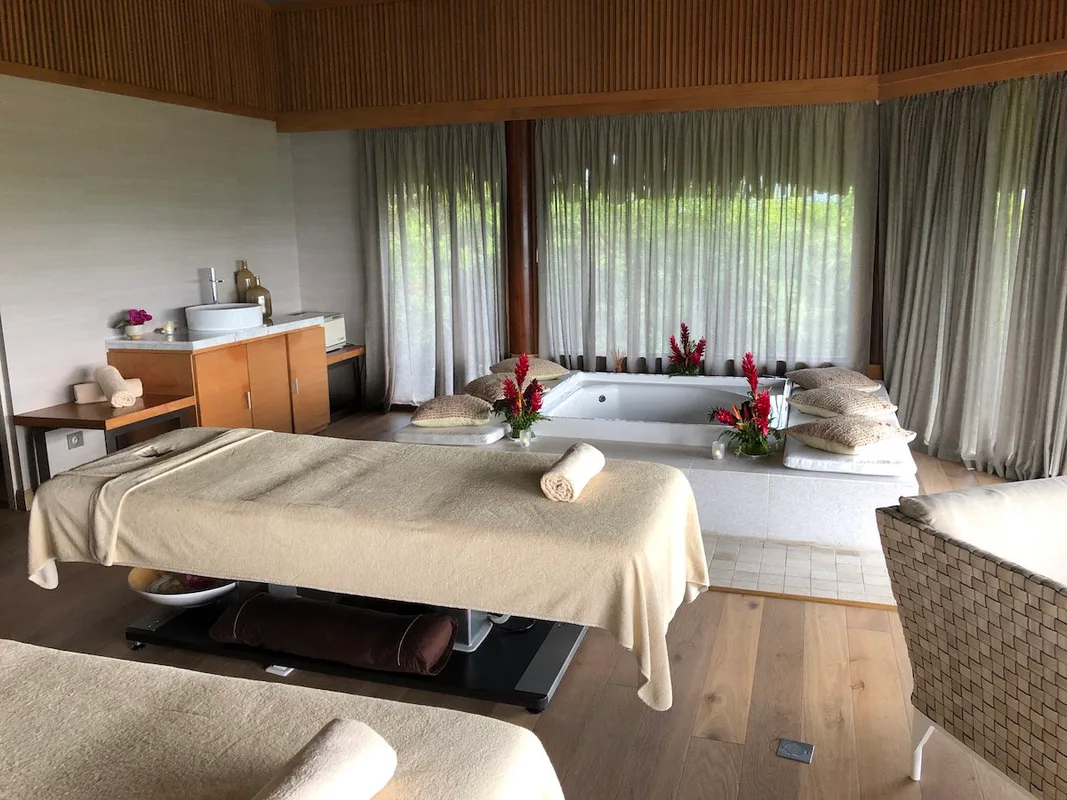
One long-time reader of OMAAT shared an intriguing story with me that I think will surprise many. In this post, I want to delve into an unexpected experience that a frequent guest at the Four Seasons encountered during a visit to one of their spas in Asia.
While enjoying a massage at a nameless Four Seasons spa, he was unexpectedly approached with a rather sensitive proposal: "She came in and said that the price for a happy ending was about $88." He was genuinely shocked and tried to escape the situation by claiming he had no cash. However, she suggested that it could be added to the tip on the bill. Honestly, he found it hard to believe, as that price was nearly equivalent to the cost of the massage itself.
When Luxury Massage Goes Awry
Even more surprising was that this customer had stayed at the Four Seasons eight times in the previous nine months without ever encountering such a situation. He decided to reach out to the hotel manager but received no response.
On another occasion in 2017, I had a strange experience at Le Meridien Xiamen, where a friend and I were treated in separate spa rooms, and both of us were quite aggressively pitched on services not listed on the menu. This made me wonder: Are happy ending offers common in luxury hotels?
Diverse Perspectives on Massage
Truth be told, perceptions of these services vary widely across regions. In some parts of Asia, being suggested a happy ending is entirely normal, even in an "upscale" spa. Conversely, in the United States, while it may happen, it certainly isn’t as prevalent as in Asia.
✈️ Tìm chuyến bay giá tốt
Đặt vé ngay với giá ưu đãi từ các hãng hàng không
I believe hotel spas can be categorized into three types: some actively offer these services, some only provide them upon request, and others will refuse if asked. If a hotel falls into the first or second category, I wonder if higher management is aware of these practices?
Things to Consider
Personally, I’m not interested in such massages, but I don’t see a problem with them being promoted as long as staff aren’t overly pushy. What bothers me is when they spend too much time creating pressure that makes you "want" the service, yet won’t accept a refusal.
A massage at a luxury hotel shouldn’t feel like you’re being sold a cheap service where you’re pressured to spend more on something else. This is truly contradictory, as luxury hotels often pride themselves on never turning away customers.
Professional Considerations
It’s also important to emphasize that it’s unfair to associate inappropriate behaviors with massage staff. If a staff member proactively offers, that’s one thing, but they shouldn’t be put in uncomfortable situations if they don’t want to provide that service.
All of this really hinges on whether the staff are the ones initiating the offer. I’m realizing that this issue is quite complex, and it’s uncertain whether hotels can win in this scenario.
Final Thoughts
Ultimately, expectations for spa services vary greatly around the world. In some places, being suggested a happy ending in a luxury environment is unheard of, while in others, it may be viewed as part of the relaxing spa experience. It’s fascinating to see that even in the highest-end hotel segments, these situations seem to occur frequently, even if they catch guests off guard. What do you think about the addition of massage services in luxury hotels?
HereWeGo
HereWeGo is a leading online flight booking platform in Vietnam, providing accurate and up-to-date travel information. We are committed to delivering wonderful travel experiences with the best prices on the market.