
HereWeGo
April 7, 2026 • 3 min read
In today's aviation landscape, airline mergers are capturing significant attention. The actions of government officials and airline CEOs will shape the future of the industry.
The Time for Airline Mergers is Approaching
Recently, there has been a surge of discussions regarding airline mergers. JetBlue's attempt to acquire Spirit was blocked by the Biden administration, and now Spirit is facing the threat of bankruptcy for the second time, raising questions about its ability to remain independent. This scenario makes the prospect of the Trump administration being more open to airline mergers a possibility.
Interest from Airline CEOs
Scott Kirby, the CEO of United Airlines, has expressed interest in acquiring slots at JetBlue's JFK hub and is keen on establishing a strong presence in Florida, especially since United lacks a robust foothold in the Southeast. However, he also emphasized that this would depend on pricing, as he currently has a partnership with JetBlue (despite not having antitrust exemptions) and believes that integration could be quite complex.
Potential Mergers in the Airline Industry
JetBlue is also considering antitrust issues related to a potential sale to United, Alaska, or Southwest. Recently, Transportation Secretary Sean Duffy stated his support for airline mergers, declaring that "President Trump would like to see big deals happen." So, is there still room for mergers in the airline industry? I believe there is.
Factors to Consider in Mergers
Mr. Duffy mentioned that he would wait to see if any deals are proposed and wants to understand what they would look like, how they would affect competition, and their impact on consumers and pricing. He stressed that this could help the U.S. have larger and better airlines to compete globally.
✈️ Tìm chuyến bay giá tốt
Đặt vé ngay với giá ưu đãi từ các hãng hàng không
Concerns About Competition
While the Department of Transportation holds legal authority over international airline alliances and antitrust exemption requests, the Department of Justice has the power to review domestic airline merger deals. The authority to grant exemptions for airline projects comes from the Airline Deregulation Act, allowing the industry to control international fare pricing similarly to how the Civil Aeronautics Board used to set domestic fares.
Power Shift
This power shift occurred on January 1, 1989, when the review of merger deals was transferred to the Department of Justice. This change made airlines subject to the same scrutiny as other industries post-deregulation, and the Department of Transportation approved mergers that the Department of Justice opposed—particularly the TWA/Ozark and Northwest/Republic mergers in 1986. Congress felt that the Department of Transportation was too lenient.
The Role of Secretary Duffy
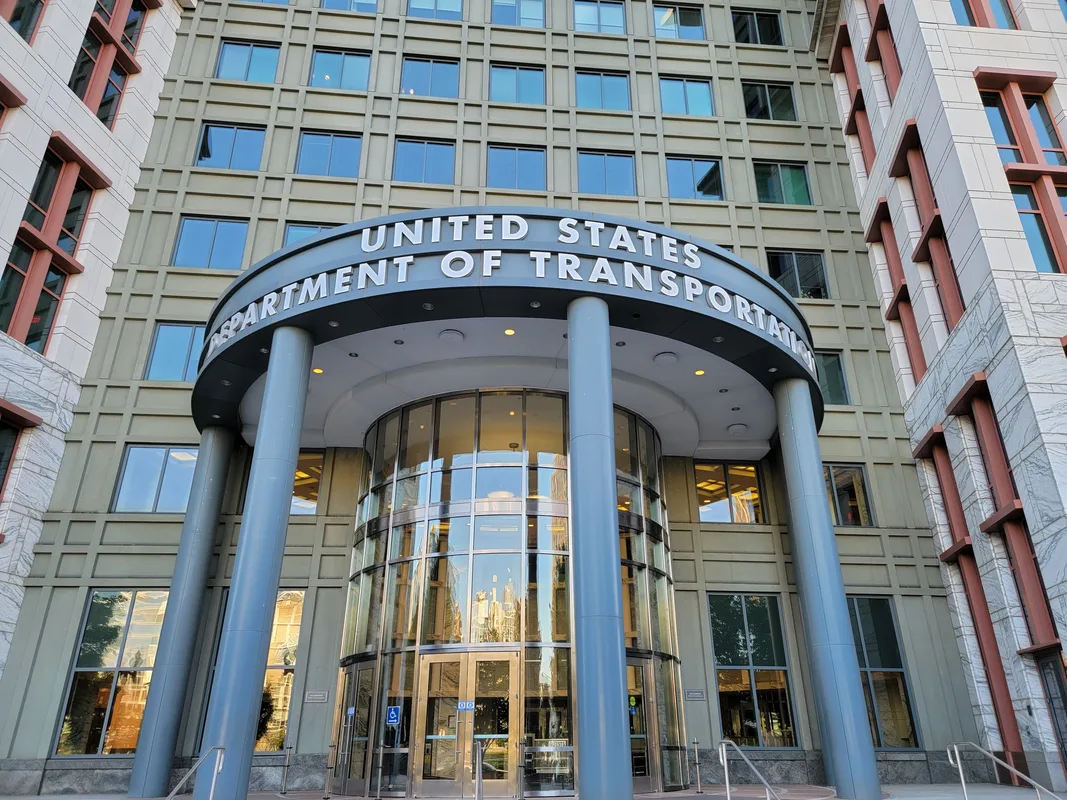
Secretary Duffy does not have legal authority in this matter, but he will be involved in discussions surrounding any airline mergers. However, the term 'legal authority' does not necessarily dictate how decisions are made. Duffy carefully noted that these decisions rest with President Trump.
Moves from Airline Industry Leaders
Scott Kirby of United Airlines has attempted to pivot from the 'woke' policies of the Biden administration to a MAGA approach under Trump for obvious reasons. Meanwhile, the Assistant Attorney General for Antitrust was recently dismissed in February, leaving the department with an interim head, Omeed Assefi.
Where Will Major Decisions Be Made?
Decisions regarding a major merger in the airline industry are likely to be made at the White House. These issues are being closely monitored and will have a significant impact on the aviation market in the near future.
HereWeGo
HereWeGo is a leading online flight booking platform in Vietnam, providing accurate and up-to-date travel information. We are committed to delivering wonderful travel experiences with the best prices on the market.