
HereWeGo
March 31, 2026 • 3 min read
Imagine yourself sitting at a street food stall in Hanoi, the fragrant aroma of lemongrass wafting through the air as the sound of grilled meat sizzles nearby. Suddenly, you hear someone shout, “Hello! How are you?” At that moment, you realize you don’t understand a word, but you’re eager to learn.
```html
Starting Your Vietnamese Language Journey: It’s Not as Hard as You Think
Imagine yourself sitting at a street food stall in Hanoi, the fragrant aroma of lemongrass wafting through the air as the sound of grilled meat sizzles nearby. Suddenly, you hear someone shout, “Hello! How are you?” At that moment, you realize you don’t understand a word, but you’re eager to learn. So, get ready for an adventure in learning Vietnamese—a journey that’s both exciting and absolutely conquerable. Whether you’re a traveler, a wanderer, an expat living here, or just someone curious, this basic guide will help you embark on your quest to master the Vietnamese language.
Why Learning Vietnamese is More Than Just 'Hello' and 'Thank You'
Let’s be honest: you can get by in Vietnam with just “hello” and “thank you.” However, speaking Vietnamese opens up a world of opportunities—from deeper connections and better food ordering experiences to richer cultural encounters. Learning Vietnamese is more than just a travel necessity; it’s about embracing the culture. Small victories, like greeting locals in their language, will bring smiles and joy. Navigating the winding streets of Hanoi or the alleyways of Hoi An becomes a fun game when you know a few basic phrases.
✈️ Tìm chuyến bay giá tốt
Đặt vé ngay với giá ưu đãi từ các hãng hàng không
Fundamentals: Pronunciation, Tones & the Alphabet
As you start learning Vietnamese, the first thing you’ll encounter is the alphabet and tones. Fortunately, Vietnamese uses the Latin script, but it comes with a variety of diacritics. Don’t stress about perfect writing just yet; focus on the sounds first. In the Northern dialect of Hanoi, there are six tones: flat, acute, grave, questioning, tilde, and heavy. In the South, you typically encounter only five tones. This means that the same word can sound completely different and have different meanings. Don’t let that discourage you—just take your time to get familiar with it.
Essential Vietnamese Phrases for Daily Life
To kick things off, learn the phrases you’ll use every day. “Hello” is “sin chow,” “Thank you” is “gahm uhn,” and “Sorry” is “sin loy.” Simple yet effective! Sometimes, locals will switch to Vietnamese and even offer you a better price if you give it a try. Enjoy the process as part of the fun!
Effective and Practical Strategies for Learning Vietnamese
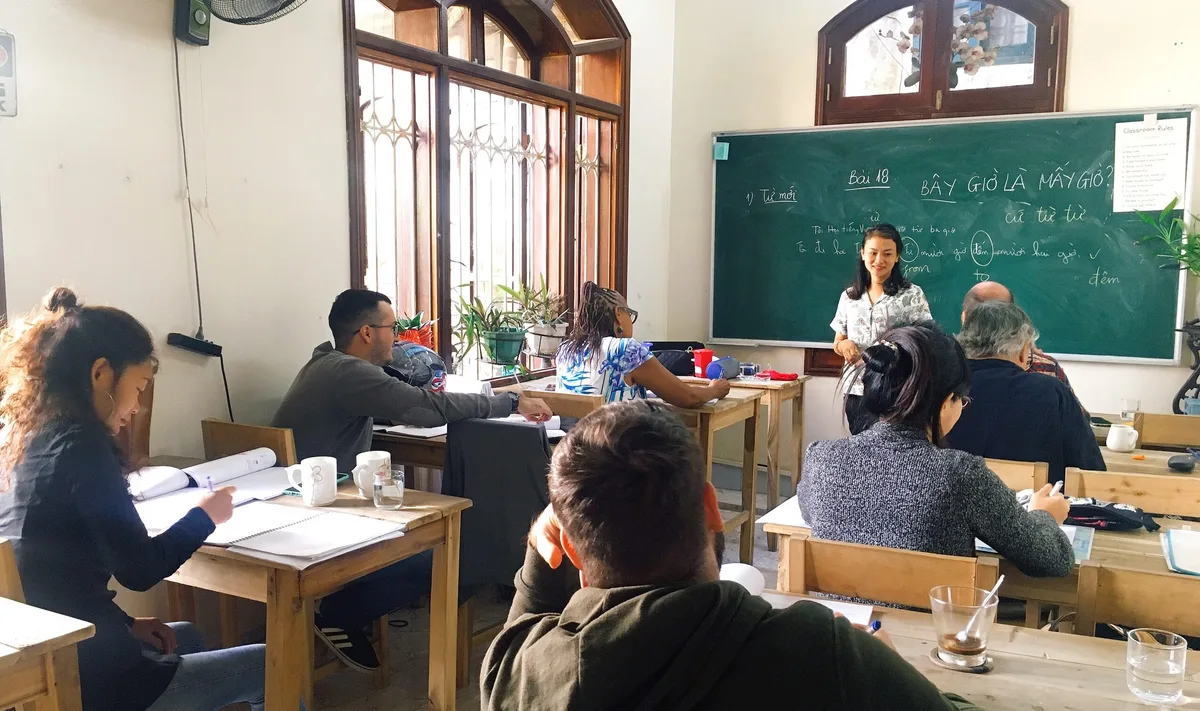
The best way to learn is through real-life practice. While traveling in Vietnam, I learned so much more from an afternoon spent chatting with locals who laughed and gently corrected my mistakes. Use technology like Anki or Memrise apps for review. Listening to podcasts and watching YouTube videos are also great ways to immerse yourself in the language. Take notes to remember your mistakes and learn from them.
Cultural Insights Make Language Learning Fun
Language doesn’t exist in a vacuum. Vietnamese uses kinship terms like “anh,” “chị,” “em,” “ông,” “bà,” and “bạn” to address people based on their relationships. Using the correct terms shows that you’ve done your homework and creates a positive impression. For instance, saying “Cám ơn anh” to a driver who helped you cross the street conveys respect and connection.
```HereWeGo
HereWeGo is a leading online flight booking platform in Vietnam, providing accurate and up-to-date travel information. We are committed to delivering wonderful travel experiences with the best prices on the market.