
HereWeGo
April 15, 2026 • 3 min read
Discover the vibrant world of street food in Vietnam: is it safe? Learn how to enjoy delicious street eats while keeping food safety in mind.
Introduction to Vietnamese Street Food
Street food plays a vital role in the daily lives of Vietnamese people. It not only reflects a unique culinary culture but also embodies a lifestyle. When visiting Vietnam, many travelers often wonder about the safety of street food.
The question arises: "Is street food in Vietnam safe to eat?" The short answer is yes, but there are certain precautions you should take to ensure your health.
Understanding Vietnamese Street Food
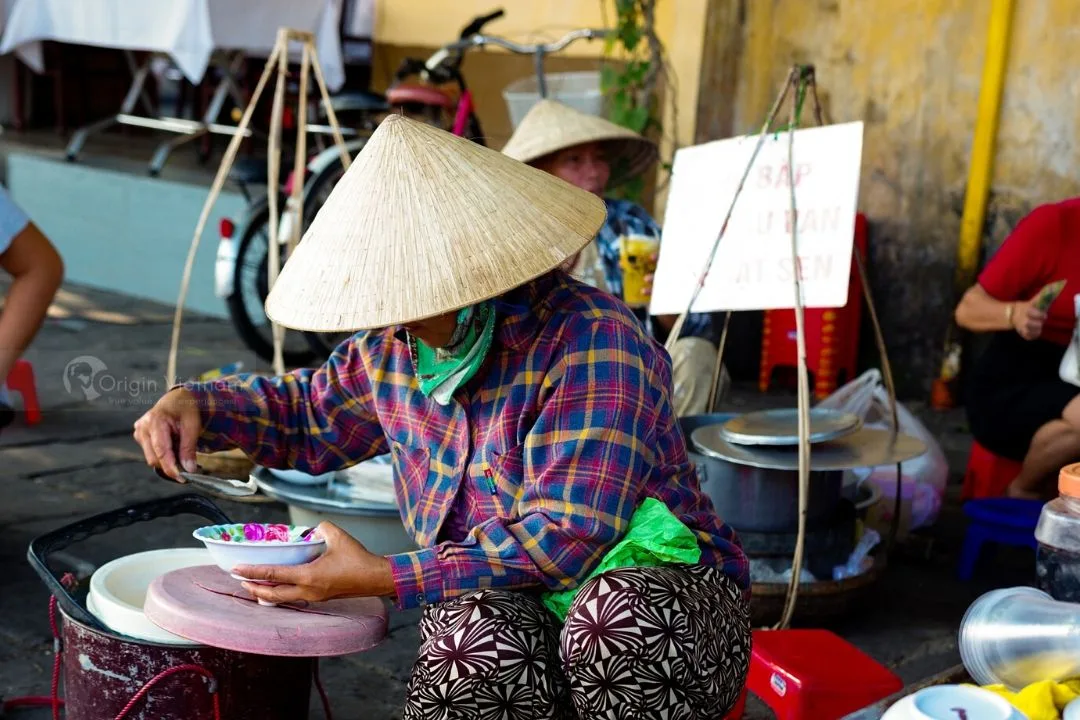
Unlike many other culinary traditions, dining in Vietnam typically happens outdoors. In major cities like Hanoi and Ho Chi Minh City, you will easily notice:
- Sidewalks being utilized as dining spaces.
- Small plastic chairs scattered around food stalls.
- Food being prepared right in front of customers.
- A continuous flow of patrons, indicating popularity.
This not only creates a sense of community but also ensures the freshness of the food. In Hanoi, daily life often revolves around small eateries and street food stalls.
Is Street Food Really Safe?
In terms of safety, street food in Vietnam is generally safe for tourists if a few basic rules are followed. Two important factors influencing food safety include:
- Freshness of Ingredients: Vietnamese street food is often cooked in small batches, served immediately after preparation, and consumed quickly.
- Crowd at the Stall: Busy stalls are often safer. If you see many local customers, food being cooked continuously, and fresh ingredients being replenished, that’s a good sign of freshness.
Potential Risks to Consider
While street food is relatively safe, travelers should be aware of some potential risks, especially those unfamiliar with Southeast Asian conditions:
- Hygiene Standards: Hygiene practices may differ from what travelers from Western countries expect, such as food preparation often occurring outdoors and limited handwashing facilities.
- Water and Ice: Tap water in Vietnam is not safe to drink. This affects ice in drinks and raw vegetables.
- Sensitive Stomach: Some dishes may upset your stomach if you’re not accustomed to the spices or ingredients used.
How to Safely Enjoy Street Food in Vietnam
To confidently savor street food, consider these tips:
✈️ Tìm chuyến bay giá tốt
Đặt vé ngay với giá ưu đãi từ các hãng hàng không
- Choose Busy Stalls: Look for stalls with a lot of customers, ensuring a quick turnover of food.
- Opt for Hot and Fresh: Dishes served hot and freshly cooked are generally safer than pre-prepared items.
- Be Cautious with Raw Ingredients: Limit consumption of raw vegetables from stalls that don’t show clear signs of hygiene.
- Observe Cleanliness: While perfection isn’t necessary, small hygiene details can make a big difference.
Comparing Street Food and Restaurants
There’s no rule that restaurants are always better than street stalls. Often, busy stalls can be more reliable than quiet restaurants. Food at stalls is usually made fresh faster and cooked to order.
However, restaurants offer a controlled environment, cooler air, and a diverse menu. Depending on your needs and preferences, it’s worth experiencing both.
Regional Differences in Street Food
Street food varies by region:
- North (Hanoi, Sapa): More authentic and less commercialized, primarily featuring pho and grilled dishes.
- Central (Hue, Hoi An): Spicier with more complex preparation processes.
- South (Ho Chi Minh City, Mekong Delta): Sweeter flavors and a variety of snacks.
Advice for Those with Food Allergies
If you have food allergies or dietary restrictions, enjoying street food can be challenging. Keep in mind:
- Not all ingredients are clearly labeled.
- Communication may be difficult.
- Cross-contamination can occur.
What if You Have Limited Time?
You don’t need to avoid street food even on a short trip. It’s entirely possible to enjoy meals in good areas, follow hygiene rules, and space out your eating experiences.
What’s the Best Choice for Culinary Experiences?
Joining guided food tours can be a sensible option, especially for first-time visitors to Vietnam. This provides insights into reliable vendors and local culinary culture.
These tours will help you explore Vietnamese cuisine thoroughly without worrying about food safety.
Article referenced and edited from: Origin Vietnam Travel
HereWeGo
HereWeGo is a leading online flight booking platform in Vietnam, providing accurate and up-to-date travel information. We are committed to delivering wonderful travel experiences with the best prices on the market.